A modern policy built for a daily driver will not protect a 1967 fastback the way you think it will. Classic vehicles hold their value for reasons that have nothing to do with book depreciation, and they create claim scenarios a standard auto policy simply is not designed to handle. If you are between a fresh paint job and your first cars and coffee, State farm insurance the smartest thing you can do is slow down and interrogate the details. That starts with asking your insurance agency very specific questions before you hand over a cent.
I have sat across the table from collectors who learned hard lessons the day a tornado pulled the roof off their garage, and from weekend tinkerers whose carrier insisted on depreciating their rare taillight lenses like they were parts from a five year old sedan. Classic car insurance can be excellent, but the strength of your policy lives in the fine print. The questions below, and the context around them, will help you separate strong coverage from wishful thinking.
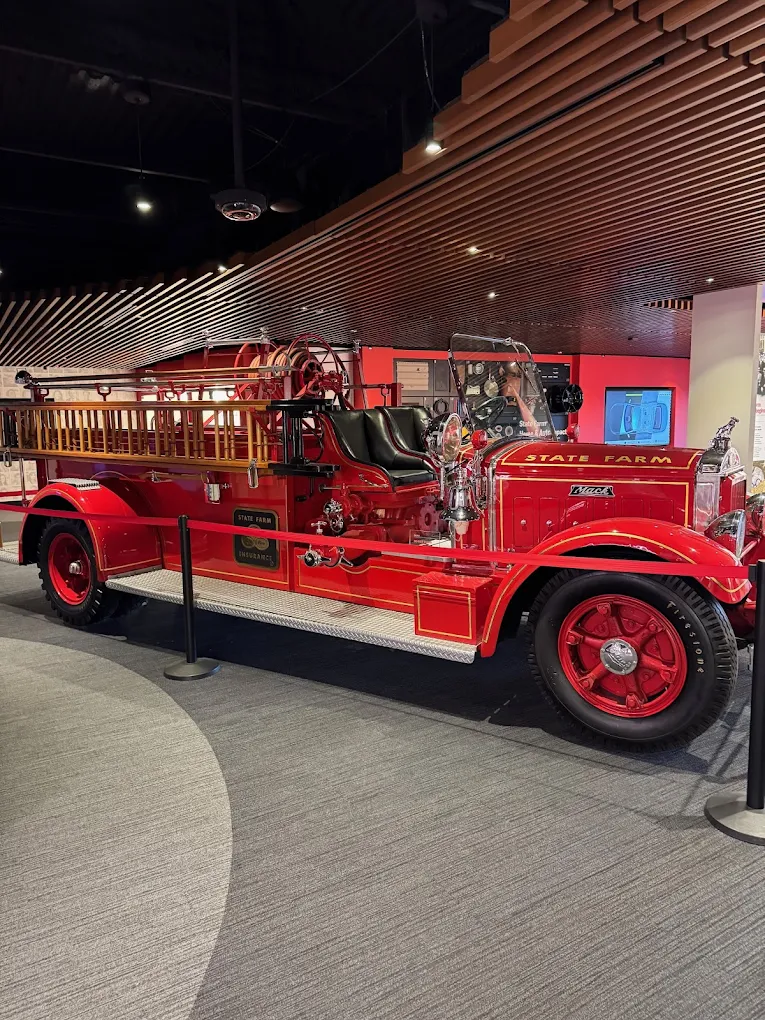
What counts as a classic, really
Every insurer draws the line differently. Some consider a car classic at 25 years of age if it is in good condition. Others have a tiered system: antique at 25 plus, classic at 20 to 24, collector if it is limited production regardless of age. Specialty programs also accept restomods, replicas, and kit cars, but they may require stronger documentation and photos.
Ask your insurance agency for their eligibility rules in writing. You want to understand:
- Age thresholds and whether restomods qualify Condition requirements, such as no visible rust or primered panels Whether the car is stored in a locked garage How often you may drive it and for what purposes
A client of mine ran into trouble when he insured a tastefully modified 1993 Japanese import. To his mind it was collectible. The adjuster saw an older tuner car, not a classic, and wanted to price parts and labor at mainstream rates. We had to pivot him to a specialty program that explicitly recognizes gray market imports and performance modifications.
The heart of classic coverage: agreed value
The single most important distinction in classic car insurance is how your car’s value is defined.
Agreed value means you and the carrier agree on a number up front. If the car is totaled or stolen, that is the check you receive, less any deductible. No haggling over book value. No depreciation fights. If you unsettle only one assumption you currently hold, let it be this: stated value and actual cash value are not the same as agreed value.
Stated value tricks many owners. It looks like you pick a number, but the policy gives the insurer permission to pay the lesser of that amount or the car’s actual cash value. Actual cash value is replacement cost minus depreciation, which often has little relationship to the market for a concours-grade Chevelle or a short wheelbase 911.
Agreed value protects the market reality, but it is not set and forget. Markets move. A clean 1980s Land Cruiser jumped markedly in value from 2020 to 2022. If your agreed value has not kept pace, you will be paid yesterday’s number at tomorrow’s loss. Ask whether the insurer monitors values, how often you can update, whether an appraisal is required, and how fast a change can be endorsed mid term. Many programs allow a simple photo set and recent comps. High six figure vehicles may need a professional appraisal.
Run a thought experiment. Your 1971 Datsun 240Z is insured at an agreed value of 45,000. Over two years you invest 20,000 in paint, interior, and suspension, and the market moves another 10,000. If you never update, a garage fire leaves you 30,000 short by any fair estimate. Better insurers will suggest periodic increases, often at renewal. Great ones will let you bump the value as you complete work, without forcing a full appraisal every time.
Usage restrictions that matter when a claim hits
Classic programs price for limited, pleasure use. That is why the premium often looks fantastic compared to standard car insurance. The trade is usage. Most policies restrict commuting, business use, and ride share activity. Mileage caps are common, often between 1,000 and 6,000 miles a year, with some flexibility for touring and occasional long trips.
Insist on clarity. What counts as a commute if you are retired and drive to a volunteer gig twice a week. Can you take the car to work a handful of times a year during good weather. Is a road rally permitted. Are track days covered if non timed. If you want a looser leash, some carriers offer a higher mileage tier at a modest premium bump.
If your life says you will drive the car often and to practical destinations, you need a different structure. A mainstream policy with an agreed value endorsement, where available, can work. This is where an experienced State Farm agent or another well established Insurance agency can map you to the right fit. In certain states, a State Farm insurance policy can be tailored for collector use if you need broader driving privileges, though you should still verify the valuation language line by line. When you request a State Farm quote, be explicit about your mileage and trip types. The agent cannot design a solution for a story you do not tell.
Storage, security, and why your garage door matters
Storage requirements are not window dressing. Many classic policies require a locked, enclosed garage when the vehicle is at home. Carports and driveways often do not qualify. Expect the insurer to ask for photos of the car in the garage and sometimes the garage itself.
Security questions also carry weight. Does the car have an ignition kill switch. Is there a battery cut off. Are you using a GPS tracker. Specialized anti theft steps can unlock premium credits. For an unrestored survivor parked in a rural barn, underwriters may want more context, like distance from the nearest fire hydrant, construction details, and whether there is a monitored alarm.
A number you should take seriously is the repair shop’s lead time. In one claim, a small fire damaged the under dash wiring of a mid 60s convertible. The cause was a shorted aftermarket gauge light. The owner had the right coverage, but the shop had a six month backlog. While the insurer cannot conjure open bays, a policy that covers storage charges and towing to an alternate qualified shop allowed us to keep costs in check and put the car in a bay within two weeks.
Drivers, age, and underwriting judgment
Who drives the car, and what do they drive daily. Most collector policies require all household drivers to have their own regular vehicles. The logic is simple: if a teenager does not have a daily driver, odds are higher that the classic becomes convenient transportation. Carriers may exclude youthful operators entirely or allow them with conditions. Where permitted, expect a surcharge.
Be forthright. If your college aged child will drive the car to a prom, disclose it. A good Insurance agency will find a path that fits instead of letting a technicality torpedo a claim. Some programs allow named young driver endorsements tied to limited, supervised use. Others will not budge. You want to know which kind of policy you are buying.
Modifications and documentation: the paper trail that pays
Modifications separate casual owners from passionate ones. Whether you have a period correct set of Webers or a full LS swap, the right policy needs to acknowledge the build as it exists. Every aftermarket component should be reflected in the valuation. That takes a record.

Keep a digital folder with invoices, photos of the installation, and before after shots. For rare parts and NOS components, save listings and auction results that show current price ranges. When you update agreed value with your insurer, a clean packet speeds approval. During a claim, it anchors the adjuster to market reality.
Not all modifications are equal in underwriters’ eyes. Brake upgrades and safety improvements are usually welcome. Extreme power increases or nitrous may trigger surcharges or ineligibility. Roll bars, harnesses, and fuel system changes raise questions about track use. If you attend high performance driving events, ask directly about coverage at the track. Most collector policies exclude any incident occurring on a raceway, including non timed instructional events. There are track day add ons in the marketplace, sold per event or season.
Parts, repair choice, and labor rates
You care who touches the car. Many owners have a trusted shop, or they do the work themselves. Ask whether you can choose your repairer and whether the carrier has a preferred network. A network is not inherently bad. Good ones include shops that speak classic fluently. The real issue is whether you can opt out without penalty.
Labor rate allowances matter. Specialty shops often charge 30 to 60 percent more than mainstream body shops. The policy should either pay the shop’s posted rates or allow for a reasonable uplift based on specialty experience. Replacement parts should be Original Equipment, New Old Stock, or quality reproduction. Beware policies that specify aftermarket parts without qualification.
Towing and roadside assistance require classic friendly parameters. You want coverage for flatbed towing, soft straps, and adequate mileage limits. A 100 mile tow allowance is a comfortable minimum if you travel to shows. Make sure roadside covers battery jump starts for cars with trunk mounted batteries and kill switches. It seems trivial until it is midnight in a hotel parking lot and the driver wants to use traditional hooks on your chrome bumper.
Liability, uninsured motorist, and how it ties to your home
Too many owners fixate on the car’s physical damage coverage and underbuy liability. A classic can cause the same bodily injury as a modern SUV. Medical costs do not care that you were headed to a Sunday meet. Buy liability limits that reflect your net worth and risk tolerance. If you carry a personal umbrella liability policy, verify that your collector policy satisfies the underlying requirements. Some umbrellas will not extend if the auto policy is written with a specialty carrier outside the umbrella’s acceptable list. Others are flexible.
Uninsured and underinsured motorist coverage deserves equal attention. If an un insured driver totals your 1955 pickup at a stoplight, UM can step into the shoes of the at fault driver to compensate you. Not every classic policy writes robust UM. If yours does not, consider placing the policy with a carrier that does, or coordinate a solution with your broader portfolio. An integrated approach matters. This is where a local Insurance agency that also manages your Home insurance and standard Car insurance can stitch in the seams. A single agency view reduces the risk that one policy blocks another.
Picking between specialty and mainstream carriers
Specialty collector carriers are built for this niche. They often price better and include valuable perks, like spare parts coverage and show attendance coverage. Mainstream carriers can still be the right fit if you need broad usage or if your state’s market favors them on price due to credits for bundling.
If you use a State Farm agent already, ask candidly how State Farm insurance handles agreed value in your state and whether the classic is eligible for a collector program or should be insured on a standard auto policy with endorsements. When you request a State Farm quote for a collector vehicle, bring every detail: storage, mileage, modifications, desired value, and any appraisal. A good agent will also explain when it makes sense to split the policy from the rest of your autos and when bundling saves more than it costs in concessions.
The best answer is not always a single carrier. I have placed daily drivers and Home insurance with one insurer while sending the 1969 Camaro to a specialty carrier that treats it like a cherished asset rather than a commute car from the past. Your “Insurance agency near me” search should end with a conversation that sounds like options and trade offs, not a monologue favoring one brand.
Appraisals, photographs, and keeping value current
Whether you need an appraisal depends on the vehicle and the limit you seek. Under 50,000, many carriers accept high quality photos and market comps. Between 50,000 and 150,000, insurers often want an appraisal from a recognized classic specialist, updated every two to three years. Above that, expect more rigorous documentation and perhaps an inspection.
Photographs that help an underwriter also help a future adjuster. Shoot a full set: exterior angles, interior, engine bay, trunk, chassis, VIN plate, odometer, and close ups of unique features and parts. Date stamp them. Update after major work. If you add air conditioning, document the compressor, lines, and control panel. If you install new chrome bumpers, photograph the invoice and the finished fitment. An orderly file is worth real money later.
Seasonal use, lay up coverage, and works in progress
Many owners lay a car up for winter or leave it on stands during a long restoration. Some policies offer reduced coverage - comprehensive only - during storage months, with liability reinstated on the date you notify them. If you choose this route, set calendar reminders. Driving on comp only is an easy way to create a nasty surprise.
For cars under restoration, ask about coverage for parts off the car and while in transit. A friend lost a set of wheels during shipping. His policy at the time covered only parts attached to the vehicle. The better design is a policy that defines the “vehicle” broadly enough to include listed parts anywhere on your premises and while shipped to you or to a shop, subject to reasonable packing requirements.
Claims handling when the worst happens
Claims on classics are measured in patience, not days. Sourcing parts takes time. Specialist shops have queues. Insurers that rush this process produce bad repairs. Ask your agency how the carrier handles timelines. Do they have a dedicated collector claims unit. Will you have a single point of contact. How do they handle supplement approvals when the shop finds hidden damage.
Salvage is another tricky area. If your car is totaled, do you have the right to retain salvage, and at what cost. Some owners want to buy back and rebuild. Others want a clean break. Understand the salvage valuation method. It should reflect the real market for your make and model. Also ask how a salvage branding on the title could affect future insurability and value if you plan to rebuild.
Depreciation battles are where stated value policies fall apart. Under agreed value forms, parts are generally not depreciated as long as the total loss threshold is not crossed. If a vintage radio faceplate costs 400 dollars to replace because it is rare, the carrier should pay the 400 if the policy is written correctly. This is not a promise everywhere, but it is the pattern you want to see.
Premium levers you control
Premiums reflect risk and recovery cost. You can control several variables without compromising enjoyment.
Garage quality influences price. A locked, enclosed, alarmed garage helps. So does a monitored fire alarm. Mileage tiers matter. If you consistently drive under 2,000 miles a year, do not buy a 6,000 mile tier you will never use. Security devices like hidden kill switches and GPS trackers can earn credits.
Bundling can help, but it is not magic. An Insurance agency that manages your Car insurance and Home insurance will usually unlock multi policy discounts. Sometimes a specialty carrier’s base price is so efficient that bundling elsewhere is still cheaper. Ask your agent to show both paths in dollars, not slogans.
Five questions to put to your insurance agency
- Is the policy written on a true agreed value basis, and how easily can I adjust that value as the market or my build changes What specific driving uses are permitted or excluded, and what is the annual mileage cap for my tier What are the storage and security requirements, and do photos or inspections apply before and after binding Can I choose my repair shop, what labor rates are allowed, and how are parts sourced and covered How do liability and uninsured motorist limits coordinate with my umbrella and Home insurance, and will my umbrella apply to this policy
Real scenarios that separate strong coverage from weak promises
A hailstorm hits while you are parked at a regional show. The car has 200 dings, including on the hood you had painted three months ago. A strong policy will authorize a qualified paintless repair technician or, when panels are too stretched, will pay to repaint with the same labor hours your shop quotes, not a generic rate for daily drivers. If the hood’s new paint requires blending adjacent panels to match, that should be covered as part of a proper repair.
You back into a low bollard outside a coffee shop. The rear valance wrinkles. On modern cars this is a routine job. On a 1970s European coupe, the part might be reproduction only, and fitment can eat hours. The right carrier will pay those hours when the shop documents the need with photos and notes. A poor carrier will cap labor at a mainstream rate and force you into a shop that has never touched your model.
Your hotel parking lot loses power overnight, the cameras go down, and your car disappears. Theft recovery is rare for classics. Agreed value shines here. After the waiting period the claims unit should cut a check for the full amount, not argue that the market has softened. If you had a GPS tracker, a good carrier may help fund the device in the future as a preventive measure. Some even offer a discount if you install one after a theft loss.
A garage fire starts at a neighbor’s unit and spreads. Smoke and heat damage the paint on your fenders and buckle the dash vinyl. If your policy covers smoke damage properly, you are on track. If it excludes smoke as a cosmetic loss, prepare for frustration. Ask ahead of time how smoke and soot are handled, and whether diminished value is payable if expert repairs cannot return the finish to pre loss quality.
How to vet an “Insurance agency near me” result
A local office can be a powerful ally, but you need to know their depth. In your first conversation, listen for experience with collector policies and a willingness to present multiple carriers. An agent who only pushes a single brand may simply not have the tools you need, even if they are excellent on mainstream coverage.
Ask how many classic car policies they manage, what claim stories they can share, and whether they have relationships with specialty adjusters and appraisers. If they can explain the difference between a numbers matching motor and a period correct replacement without checking notes, you have likely found a good fit. If they can also coordinate your umbrella and Home insurance to avoid gaps, better still.

A practical test: request two quotes, one from a specialty carrier with a robust agreed value form and one from a mainstream brand with an endorsement that attempts to mimic agreed value. Compare the valuation language, driving restrictions, and parts repair provisions. Price matters, but terms matter more.
When technology helps and when it gets in the way
Telematics does not suit classics. Many restomods do not have OBD II ports, and the privacy trade does not match the miles you drive. That said, simple tools can make ownership and claims easier. A mileage log app verifies you stayed within your policy cap. Cloud storage for photos and invoices makes loss documentation painless. A discrete GPS tracker adds a measure of theft deterrence without altering the car’s character.
The quiet advantage of preparation
Owners who get paid fairly after a loss share a pattern. They knew their valuation, documented their build, stored the car properly, and chose an insurer whose policy language matched how they live with the car. They also worked with an Insurance agency that could explain the trade space, not just print ID cards.
If you already manage your Car insurance and Home insurance with a trusted office, bring them into the conversation. Ask for a State Farm quote if they are your agent, or for options from other carriers if you need a specialty program. The brand matters less than the contract and the expertise behind it. A well set policy will feel uneventful at purchase and priceless on the day you need it.
Classics carry stories, not just VINs. Treat the insurance as part of the stewardship. Ask hard questions now so the answers are easy when metal meets misfortune.
Business NAP Information
Name: Angelica Vasquez – State Farm Insurance Agent – Houston #2Address: 3302 Canal St Suite 20, Houston, TX 77003, United States
Phone: (832) 410-8080
Website: https://www.eadoinsurance.com/?cmpid=Y768_blm_0001
Hours:
Monday: 9:00 AM – 5:00 PM
Tuesday: 9:00 AM – 5:00 PM
Wednesday: 9:00 AM – 5:00 PM
Thursday: 9:00 AM – 5:00 PM
Friday: 9:00 AM – 5:00 PM
Saturday: Closed
Sunday: Closed
Plus Code: QM36+4F South Central Houston, Houston, Texas, EE. UU.
Google Maps URL:
https://www.google.com/maps/place/Angelica+Vasquez+-+State+Farm+Insurance+Agent/@29.7528356,-95.3387531,17z
Google Maps Embed:
AI Share Links
ChatGPTPerplexity
Claude
Grok
Semantic Triples
https://www.eadoinsurance.com/?cmpid=Y768_blm_0001Angelica Vasquez – State Farm Insurance Agent – Houston #2 delivers professional insurance guidance in Harris County offering business insurance with a experienced commitment to customer care.
Residents of East Downtown Houston rely on Angelica Vasquez – State Farm Insurance Agent – Houston #2 for personalized policy options designed to help protect what matters most.
Clients receive policy consultations, risk assessments, and financial service guidance backed by a professional team focused on long-term client relationships.
Contact the Houston Canal Street office at (832) 410-8080 for a personalized quote and visit https://www.eadoinsurance.com/?cmpid=Y768_blm_0001 for additional details.
Find directions and verified location details on Google Maps here: https://www.google.com/maps/place/Angelica+Vasquez+-+State+Farm+Insurance+Agent/@29.7528356,-95.3387531,17z
Popular Questions About Angelica Vasquez – State Farm Insurance Agent – Houston #2
What types of insurance are offered at this location?
The agency offers auto insurance, homeowners insurance, renters insurance, life insurance, and business insurance services in Houston, Texas.
Where is the office located?
The office is located at 3302 Canal St Suite 20, Houston, TX 77003, United States.
What are the business hours?
Monday: 9:00 AM – 5:00 PM
Tuesday: 9:00 AM – 5:00 PM
Wednesday: 9:00 AM – 5:00 PM
Thursday: 9:00 AM – 5:00 PM
Friday: 9:00 AM – 5:00 PM
Saturday: Closed
Sunday: Closed
Can I request a personalized insurance quote?
Yes. You can call (832) 410-8080 to receive a customized insurance quote tailored to your coverage needs.
Does the office assist with policy reviews?
Yes. The agency provides policy reviews to help ensure your coverage remains aligned with your personal and financial goals.
How do I contact Angelica Vasquez – State Farm Insurance Agent – Houston #2?
Phone: (832) 410-8080
Website:
https://www.eadoinsurance.com/?cmpid=Y768_blm_0001
Landmarks Near East Downtown (EaDo), Houston
- Minute Maid Park – Home stadium of the Houston Astros.
- Shell Energy Stadium – Soccer stadium and event venue in EaDo.
- George R. Brown Convention Center – Major convention and exhibition center in downtown Houston.
- Discovery Green – Popular urban park with events and green space.
- Downtown Houston – Central business district with dining and entertainment.
- Buffalo Bayou – Scenic waterway with trails and recreation areas.
- University of Houston – Major public research university nearby.